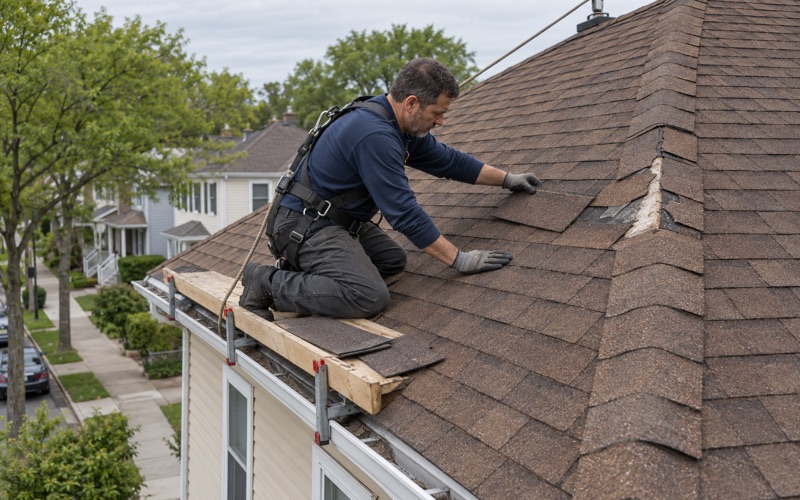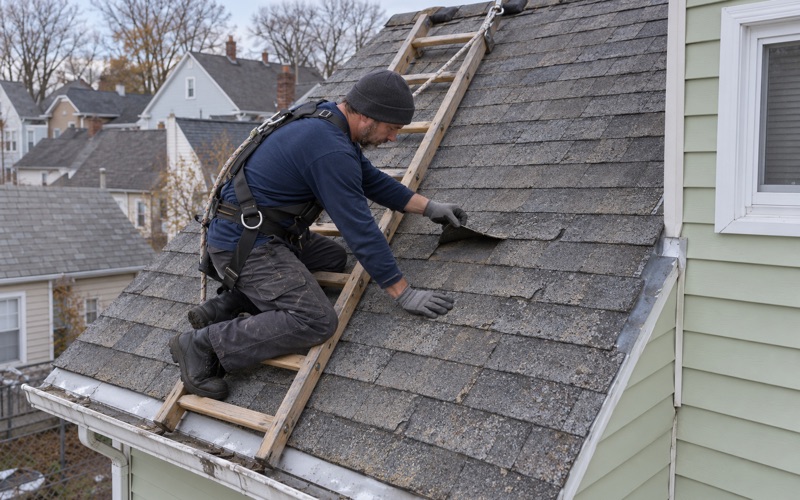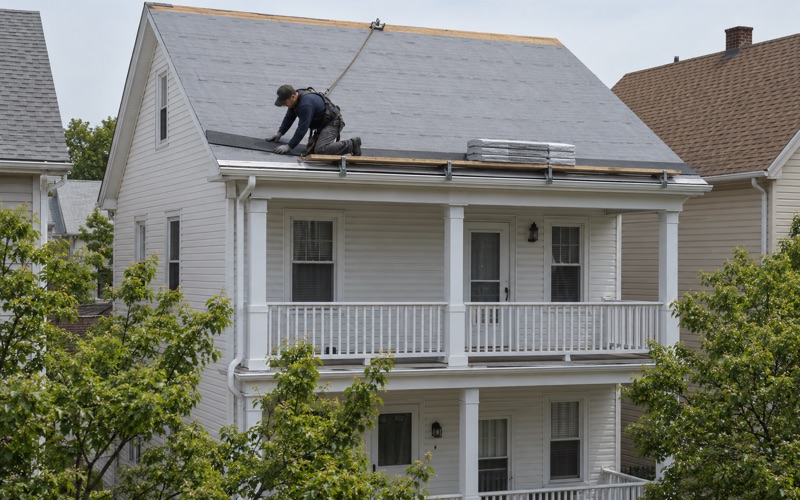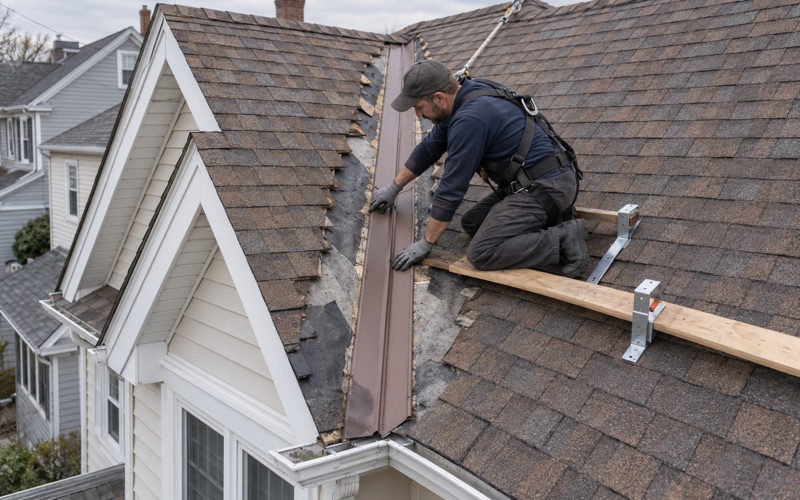
Bayonne Superior Roofing approaches roofing in New Providence with more than 20 years in the trade and one working rule: the trees around a house are part of the job. On a shaded lot, the limbs over the shingles decide where debris piles up, how long a valley stays wet, and where a crew can safely stand a ladder or park a dumpster. We plan around both from the first visit.
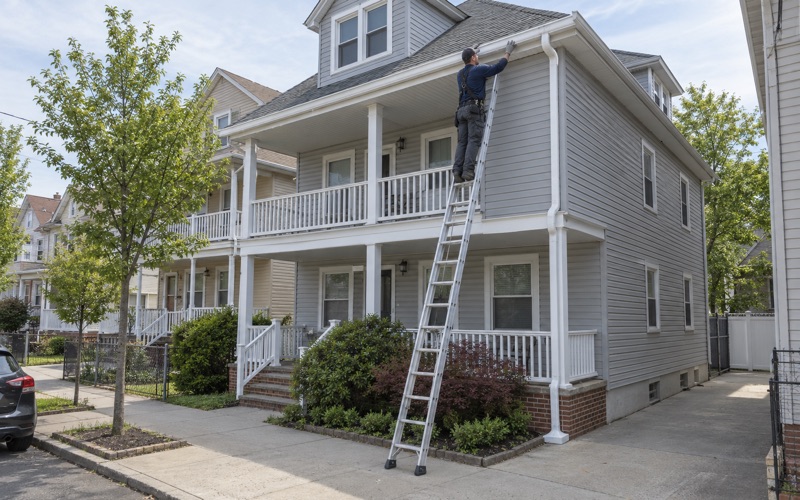
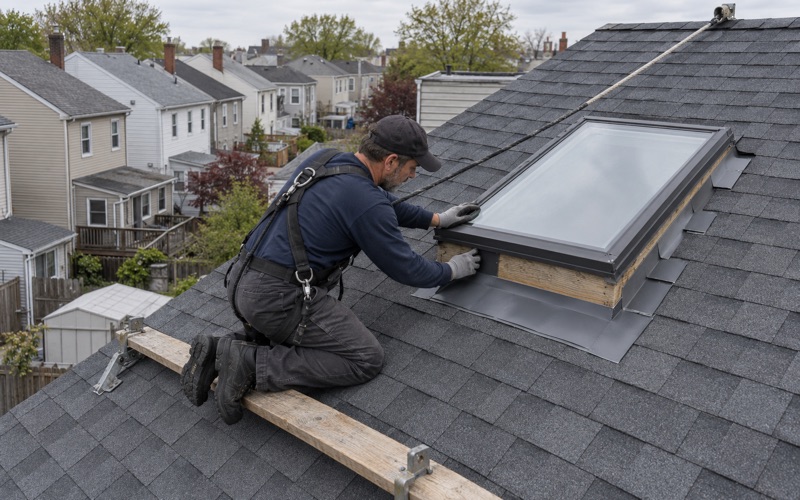
That first visit covers the roof and the attic or top-floor ceiling beneath it, so a stain is followed back to the point where water actually gets in before any price is written. Under a canopy, the wet spot on the ceiling is often a few feet from the real entry, behind a clogged valley or a flashing joint soaked by drip from a branch. You get a straight answer on whether a repair will hold before replacement comes up at all.
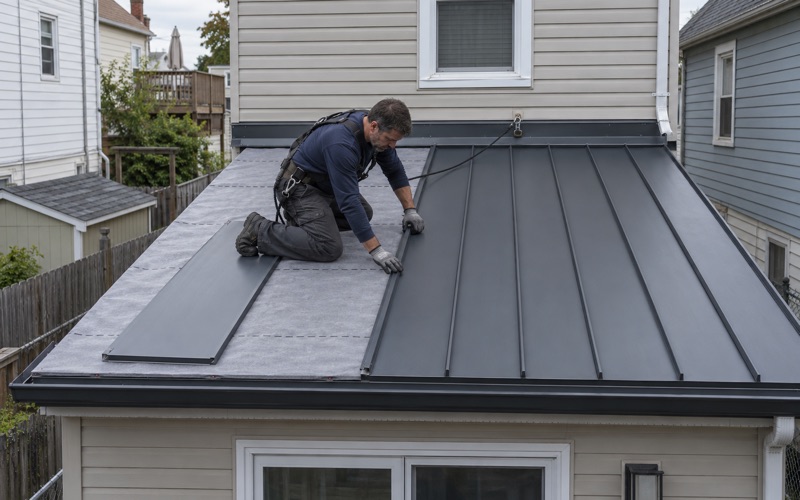
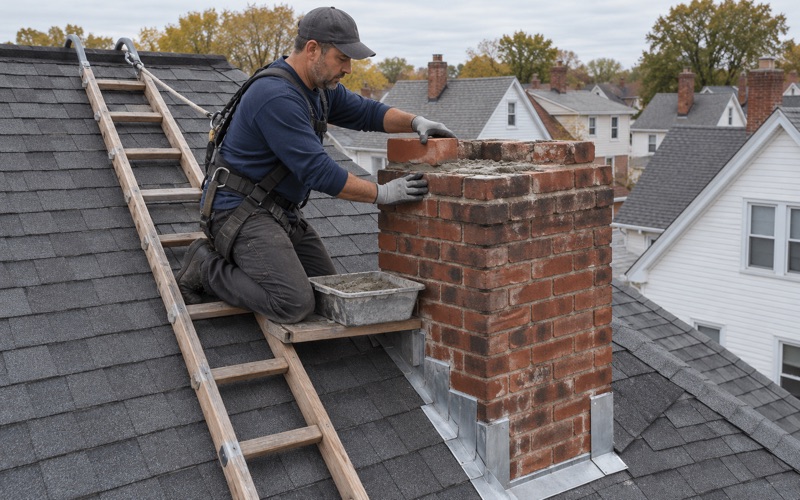
When a new roof is the right call, our written scope lists tear-off, decking, underlayment, flashing and drainage as separate lines, so two estimates can be compared item by item. Step, counter and chimney flashing are replaced with the shingles rather than reused. The plan for the yard, from which limbs need clearance to how nearby trunks are protected, goes into the schedule before the materials are ordered.
Overhanging Limbs and the 2024 Tree Ordinance
In New Providence, the trees around a roof are regulated nearly as closely as the roof itself. The borough’s Ordinance 2024-07 replaced the old Chapter 247 on trees and set out tree removal and replacement rules that apply on private lots across the borough. For a roof project, that ordinance matters as much as anything said about shingles.
What the ordinance controls
Under Ordinance 2024-07, no tree exceeding 4 inches in diameter may be destroyed or removed without an approved permit, and in the ordinance’s words, no tree shall be removed until municipal officials have reviewed and approved the removal. On an existing residential property the application fee is $25. Removed trees are replaced according to trunk size, from one to four new trees depending on diameter, or the owner pays $300 per tree in lieu of planting. A tree taken down in violation carries a $1,000 fine per tree.
Four inches is not a big tree. Plenty of the volunteer saplings and ornamentals that crowd a gutter line or rub a rake edge are past that size, which is why a casual plan to just take that tree down before the roofers come can turn into a fine.
Pruning is maintenance, removal is a permit
The line that matters most for roofing is the one the ordinance draws itself: removal does not include responsible pruning and maintenance of a tree. Cutting back a limb that scrapes the shingles, lifting a canopy off the ridge, or thinning branches that dump leaves into a valley is pruning. Taking the whole tree out is removal, and removal goes through the borough first.
That distinction shapes how we write a recommendation. When branches are wearing granules off a slope or holding moisture against the shingles, we say so plainly and mark which limbs are involved. We are roofers, not tree contractors, so the pruning itself goes to a tree service you hire, and any talk of taking a tree out goes to the borough’s permit process before anyone lifts a saw.
What we ask for is practical. Branches should sit far enough off the roof that wind cannot drag them across the shingles, and no limb should hang over a chimney or plumbing vent where it drops debris straight into the opening. How to make each cut well is the tree service’s call; our part is telling you what the roof needs and why.
Looking for roofing closer to Woodland Park? See Woodland Park Roofing.
When a Tree Is Hazardous to the House
Some trees are past the point where pruning helps. The ordinance recognizes that and treats a hazardous tree differently from an ordinary one, which can change both the paperwork and the cost for a homeowner whose roof is already taking damage.
What counts as hazardous
Under Ordinance 2024-07, a tree that is dead or dying, diseased or infested, or causing obvious damage to structures counts as hazardous, as does a tree that a certified arborist or licensed tree expert has found to be a threat. A hazardous tree may be removed with no replacement requirement. The ordinance asks for written justification, such as photographs or a statement from one of those tree professionals.
What we see from the roof
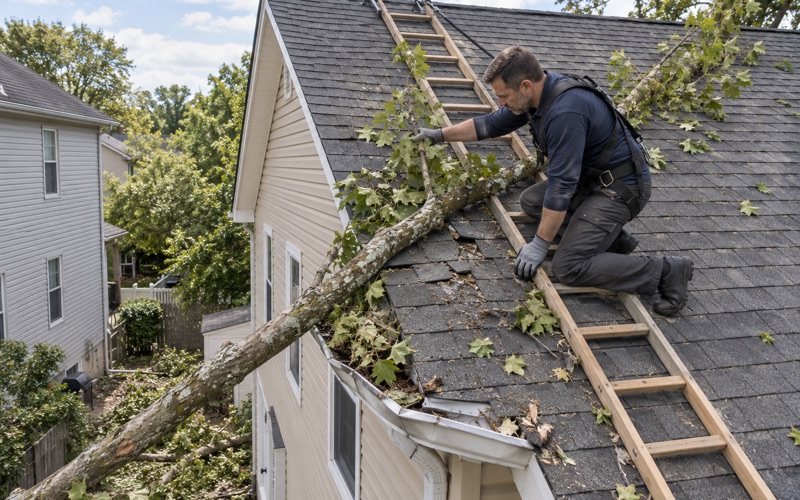
From a ladder or the ridge we often get the clearest view of what a tree is doing to a house. A limb resting on the shingles leaves a worn track. A cracked leader near the eave usually means something heavy has been landing there. Dead wood over the roof drops onto it in every storm, and roots heaving a walkway sometimes show up as gutters pulled out of line.
Documenting it for the decision
When we find that kind of damage, we photograph it and write it up with the location on the roof, the material affected and what the repair involves. Those photos can sit beside an arborist’s statement when you apply to the borough, and they serve your insurer too if a storm brought the limb down. We will meet the insurance adjuster on site if you ask. We do not decide whether a tree is hazardous; we show what it has already done to the roof.
Protecting Trunks During Tear-Off and Delivery
Ordinance 2024-07 does more than regulate cutting. It puts a duty on anyone working on a building, and a roof replacement falls squarely inside it.
The guard requirement
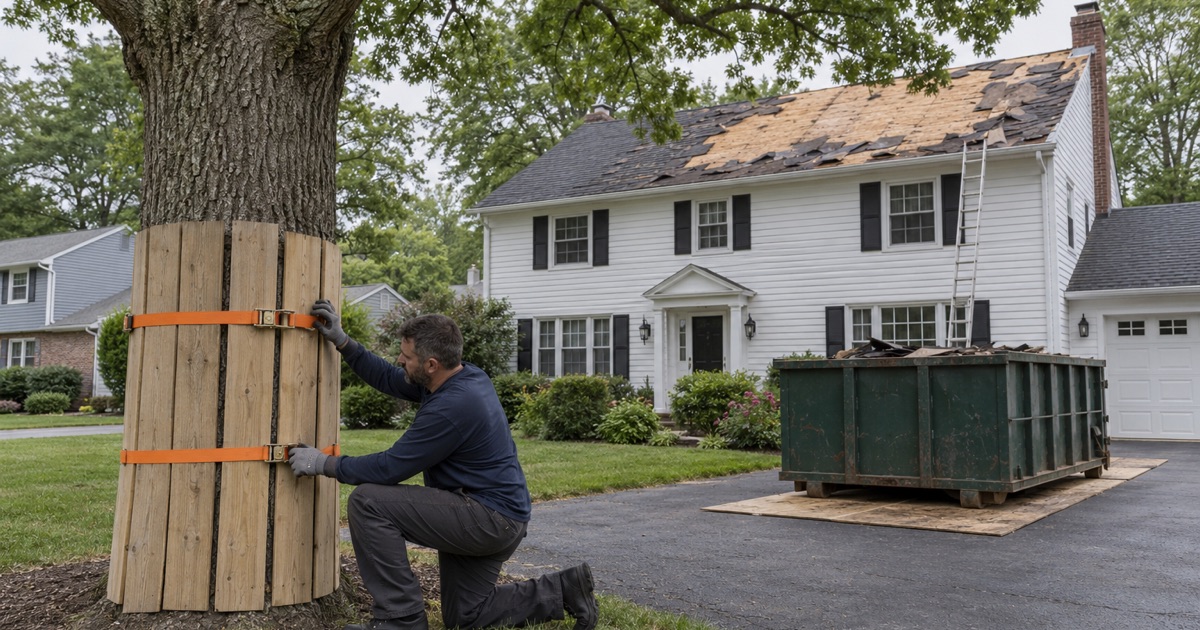
The ordinance states that in the erection, alteration or repair of any structure, the owner, contractor or other person in charge shall place guards around all nearby trees that effectively prevent injury to those trees. It also bars anyone from operating a machine or tool in a way that damages or destroys a tree. The Construction Official is one of the officers named to enforce it, alongside police or code enforcement, the Public Works Manager, the Borough Engineer and the Zoning Officer.
On a roofing job, the trees most at risk are the ones closest to the driveway and the side yard, where the dumpster sits and the shingles arrive. Before the truck shows up, we walk the property with you, mark those trunks and set guards around them.
Dumpster, ladders and the material drop
A loaded roll-off container dropped against a trunk can strip bark in one pass, and a ladder footed in the root flare compacts soil and scars the base. We place the dumpster on the driveway clear of root zones where the lot allows, use plywood under it, and keep ladder feet off exposed roots. Bundles going up by conveyor or by hand are routed so they do not swing through low limbs.
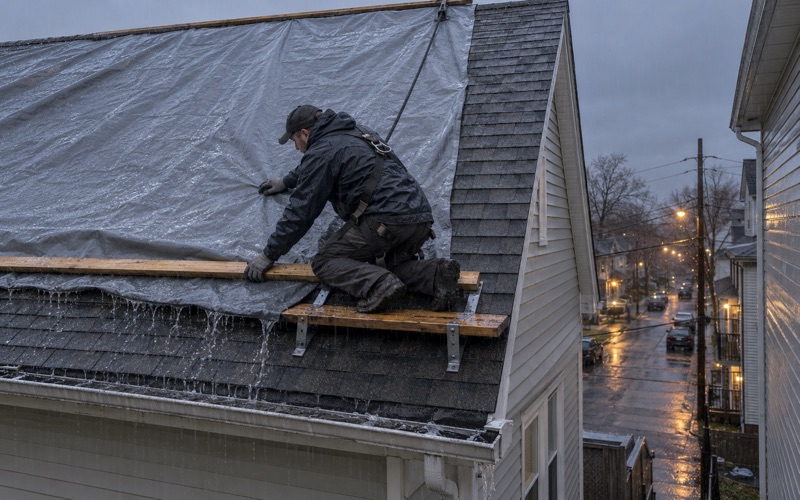
Tear-off debris is the other hazard. Old shingles and nails sliding off an eave land wherever gravity sends them, so we hang tarps and catch netting over planting beds and around the bases of trees under the eaves.
Cleanup under a canopy
A yard full of leaf litter hides nails well. At the end of every work day we clean the driveway, lawn and gutters and run a magnet sweep, and we repeat it at the drip line of each tree near the work, where debris collects in mulch and leaves.
Staging a Roof Job Around a Mature Yard
Once the trees are planned for, the rest of the job follows the same rules as any New Jersey house, with a few local details worth knowing.
What the roof itself needs from the borough
Replacing or repairing the existing roof covering on a detached one- or two-family house is ordinary maintenance under N.J.A.C. 5:23-2.7, with no permit, inspection or notice required. Work that affects structural or fire safety falls outside that rule. Separately, the Building Department at 360 Elkwood Avenue says all improvements need zoning and engineering review before work begins, even when they are exempt from construction permits. Its page does not name roofing, so when a project goes beyond a shingle swap, such as replacing rotted rafters, we call the department during its Monday through Friday hours before scheduling.
Gutters, valleys and shade
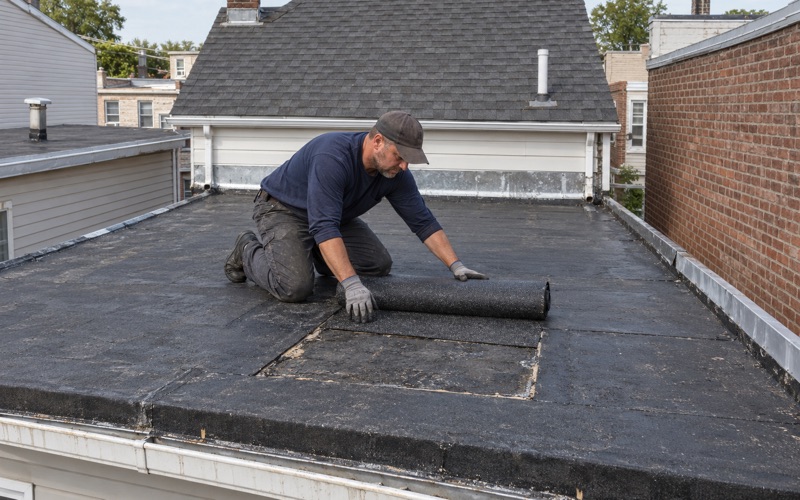
A roof under trees wears differently from one in full sun. Gutters fill faster, valleys collect needles and seed pods, and the north-facing slopes stay damp longer. On a replacement we use algae-resistant granules where shade is heavy, run ASTM D1970 self-adhering ice and water barrier through the valleys and along the eaves, and replace the drip edge at eaves and rakes. Gutters and leaders are cleared and tested with water before we call the job done.
Timing the work
The cleanest sequence is pruning first, roof second. If a tree service is clearing limbs, we schedule tear-off after they finish, so nothing falls onto new underlayment. If solar panels sit on the roof, their removal and reinstall go into the same calendar, so the panel crew, the tree service and our tear-off line up in order instead of colliding on the day. On a two-family house, the tenant upstairs hears from us before the crew arrives and knows where we need access.
Contracts follow New Jersey’s home improvement rules, including the three-day cancellation notice, and any damaged decking we find under the old shingles is photographed and shown to you before it is replaced at the per-sheet price set in the contract.
Whether your house sits near Salt Brook or on a quiet street off Elkwood Avenue, the order of work is the same: decide what the trees need, protect the trunks that stay, and then put a roof on that can live under them.
- 20+ Years in Roofing
- Line-Item Written Estimates
- Daily Nail-Magnet Cleanup